
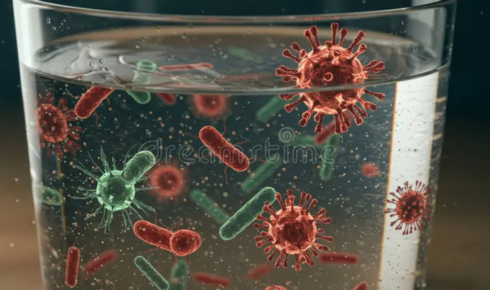
It’s a quiet Sunday morning. You pour yourself a glass of water straight from the kitchen tap—like always. Looks clear. No odor. Tastes… well, normal. But here’s the kicker: just because it looks clean doesn’t mean it’s safe.
Most of us never think twice about what’s in our water unless it smells like a swimming pool or turns a suspicious shade of yellow. But behind the scenes, all sorts of microscopic troublemakers can be doing laps in your glass. Yeah, I’m talking about the invisible stuff—germs, metals, chemicals—things you don’t want inside your body.
Let’s break it down, human-to-human.
The Hidden World in Your Water Glass
Here’s a truth bomb: water isn’t just H₂O. It can be a cocktail of nature’s leftovers and human mishaps. From agricultural runoff to aging pipes, there’s a long journey before that water ends up in your cup.
One of the biggest culprits that quietly wreak havoc? Bacteria in water. These tiny organisms—like E. coli or Legionella—are often found in wells, untreated water sources, or even public water systems after floods or pipe breaks. And while some bacteria are harmless (or even helpful), the wrong kind can send you straight to the bathroom—or worse, the hospital.
We’re talking stomach cramps, nausea, diarrhea… you know, all the fun stuff. For kids, elderly folks, or anyone with a weak immune system, it’s not just uncomfortable—it can be dangerous.
But It’s Clear—So It’s Clean, Right?
Not so fast. Some of the worst contaminants don’t mess with color or smell. That’s why contaminated water often goes unnoticed. Heavy metals like lead or arsenic? They’re tasteless. Pesticides? Practically invisible. Even chlorine—used to disinfect water—can react with organic matter to form harmful byproducts.
Ever heard of trihalomethanes? Probably not, but they’re a real thing and long-term exposure is linked to increased cancer risk. So yeah, your water might pass the eye test, but fail the safety test.
And let’s not forget PFAS—the so-called “forever chemicals.” Found in nonstick pans, waterproof jackets, and firefighting foams, they’ve slowly crept into groundwater systems across the U.S. These chemicals don’t break down, they just build up in your body… quietly.
The Not-So-Fun Side Effects of Bad Water
Water’s supposed to hydrate and heal. But when it’s contaminated, it can do just the opposite. The health risks of poor water quality range from mild to severe, depending on what’s in it.
Maybe it starts with dry skin or frequent stomach bugs. Maybe you notice your kids are sick more often than they should be. Or maybe one day, out of the blue, someone in the family is diagnosed with something that stops you in your tracks.
Chronic exposure to contaminants has been linked to reproductive issues, neurological disorders, and even developmental delays in children. It’s not just about a few bad sips—it’s the cumulative damage that happens over months or years without anyone realizing.
So… Bottled Water to the Rescue?
You’d think, right? But bottled water isn’t the silver bullet it’s made out to be.
For starters, many bottled water brands source their water from the same municipal systems you’re trying to avoid. Plus, single-use plastics come with their own host of problems—microplastics leaching into the water and eventually, your body.
Not to mention the environmental mess. One bottle at a time may not seem like much, but multiply that by a billion and you’ve got oceans of plastic waste.
What Can You Actually Do?
It’s easy to feel overwhelmed. But knowledge is power. First, get your water tested. Many local governments offer low-cost or even free testing kits. If you’re on well water, this should be a regular thing—not a one-time event.
Next, consider a home filtration system. No, not the $20 pitcher from the grocery store (though that’s better than nothing). I’m talking about real filters—reverse osmosis systems, activated carbon filters, or multi-stage setups that tackle bacteria, metals, and chemicals alike.
And if you rent or can’t install something permanent, there are still solid countertop or under-sink options that don’t break the bank.
The Bigger Picture: Advocacy and Awareness
It shouldn’t be your job to worry about whether your water is making you sick. Clean water is a basic human right. But until regulations catch up—or infrastructure gets the funding it needs—we’ve got to be proactive.
Support local efforts to replace lead pipes. Stay informed on your area’s water reports (they’re public, by the way). And don’t be afraid to raise hell if something feels off—many water crises were only addressed because everyday people spoke up.
Final Thoughts Over a Glass of… Hopefully Clean Water
It’s kind of wild that in 2026, we still have to think about whether our water is safe to drink. But here we are. The good news? We have more tools than ever to test, filter, and fix the issue.
So maybe next time you fill that glass, you pause for just a second. Not out of fear—but out of awareness. Because what we don’t see can still hurt us. But when we do see it—when we take it seriously—that’s when change starts to ripple.