
There’s something oddly invisible about water. It’s always there—flowing through taps, filling kettles, running showers—but rarely do we stop and think about it unless something feels off. Maybe it’s the taste. Maybe it’s the way your skin feels after a long shower. Or maybe it’s just a passing thought: Should it be like this?
That’s usually how the conversation begins. Not with urgency, not with panic—just a small question that lingers a little longer than expected.
Why Water Matters More Than We Realize
We tend to associate home comfort with things we can see: furniture, lighting, maybe even the smell of a freshly cleaned room. But water? It’s one of those silent contributors that shapes your daily experience in ways you don’t always notice right away.
Think about it. You drink it. Cook with it. Wash your clothes in it. It touches nearly every part of your routine. And yet, most of us assume it’s “good enough” without really checking.
That’s where residential water treatment starts to make sense—not as a luxury upgrade, but as a way to bring consistency and reliability into something you use constantly. It’s less about fixing a problem and more about refining your everyday life.
The Subtle Signs You Might Be Overlooking
Water doesn’t always announce its issues loudly. Sometimes, it whispers.
A faint chlorine smell when you turn on the tap. Glassware that never quite looks spotless. Soap that refuses to lather properly. These aren’t dramatic problems, but they’re persistent—and over time, they start to feel… frustrating.
And then there’s the long-term side of things. Mineral buildup in pipes. Reduced efficiency in appliances. It’s not something you notice in a week or even a month, but over the years, it adds up quietly.
Addressing these issues doesn’t require a complete overhaul. Sometimes, it’s about identifying what’s happening and taking a step—or two—in the right direction.
A Whole-Home Perspective Changes Everything
There’s a certain logic in treating water at the point it enters your home, rather than fixing it tap by tap. It’s like improving the foundation instead of repainting the walls.
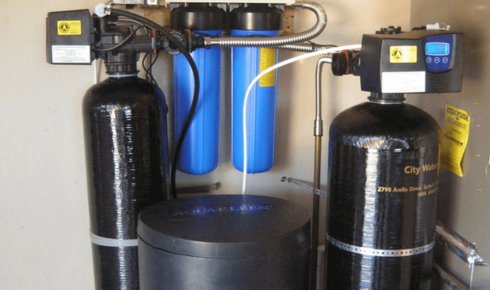
That’s where whole house systems come into the picture. They’re designed to work in the background, treating water before it reaches your kitchen, your bathroom, your laundry room—everywhere.
The result isn’t dramatic in a flashy sense. It’s more of a steady, consistent improvement. Showers feel gentler. Clothes come out softer. Even your plumbing benefits from reduced buildup over time.
And perhaps the best part? You don’t have to think about it constantly. It just… works.
The Taste Factor: Something You Can’t Ignore Forever
If there’s one area where people notice a difference almost immediately, it’s drinking water.
You might not realize how much you’ve adapted to a certain taste until it changes. Suddenly, water feels lighter, cleaner. Tea tastes brighter. Even something as simple as a glass of cold water becomes more refreshing.
This is where the idea of cleaner drinking water becomes more than just a phrase—it becomes an experience. And once you get used to it, going back feels surprisingly difficult.
It’s not about chasing perfection. It’s about removing the little things that get in the way of enjoying something so basic.
Not Every Home Needs the Same Solution
One of the biggest misconceptions about water systems is that there’s a one-size-fits-all answer. There isn’t.
Some homes struggle with hard water. Others deal with chlorine-heavy municipal supply. Some might have minor sediment issues, while others face more complex challenges.
The key is understanding your water—not guessing, not assuming, but actually knowing what you’re dealing with. A simple test can reveal more than you’d expect, and from there, decisions become much clearer.
You don’t need the most advanced setup on the market. You just need the right one for your situation.
Living With Better Water Feels Surprisingly Natural
Here’s something people don’t always mention: once your water improves, it doesn’t feel like a big deal anymore.
At first, you notice the differences. You pay attention to how your skin feels, how your dishes look, how your water tastes. But over time, those improvements become your new normal.
And that’s when it really sinks in—this wasn’t about adding something new to your life. It was about removing small, everyday irritations you didn’t even fully recognize.
Maintenance Isn’t as Complicated as You Think
A lot of hesitation comes from the idea that water systems are difficult to maintain. But in reality, most are designed to be user-friendly.
Yes, there are filters to replace and occasional checks to perform. But it’s not a constant effort. It’s more like routine upkeep—similar to servicing an appliance or changing a filter in your AC.
And once you see the benefits, it doesn’t feel like a burden. It feels like a fair trade.
A Small Shift With Long-Term Impact
Improving your water isn’t about instant transformation. It’s about steady, lasting change.
Over time, you’ll likely notice fewer maintenance issues, better appliance performance, and a general sense of comfort in your home that’s hard to pinpoint—but easy to appreciate.
It’s one of those upgrades that doesn’t demand attention, yet quietly enhances everything around it.
In the End, It’s About Paying Attention
Most of us don’t think about water until something nudges us to. A taste, a smell, a feeling we can’t quite explain.
But once you start paying attention—even just a little—you begin to see how much it matters.
And from there, it’s not about making perfect choices. It’s about making informed ones.
Because when your water feels right—clean, balanced, dependable—it changes your home in subtle but meaningful ways.
Not all at once. Not dramatically.
But enough that, over time, you wouldn’t want it any other way.