
It usually sneaks up on you. Not in a dramatic, everything-breaks-at-once kind of way. More like a slow realization—your taps don’t shine the way they used to, your shower glass needs constant wiping, and somehow your laundry feels stiff no matter how much detergent you use.
At first, it’s easy to brush it off. “That’s just how water is,” you tell yourself.
But then, one day, you visit someone else’s home, and things feel… different. The soap lathers better. The water feels smoother. Even your skin notices the difference before you do.
And just like that, “normal” starts to feel a little questionable.
Understanding What Hard Water Is Really Doing
Hard water isn’t dangerous. That’s the tricky part. It doesn’t set off alarms or demand immediate action. Instead, it quietly works in the background, leaving behind mineral deposits—mostly calcium and magnesium—that build up over time.
You see it in your kettle. You feel it in your hair. You deal with it every time you scrub a sink or replace a worn-out appliance earlier than expected.
And the thing is, once you recognize it, you start noticing it everywhere.
Why Fixing It Feels Like a Big Decision
There’s something about home upgrades that makes people hesitate. Maybe it’s the cost, maybe the confusion, maybe just the fear of choosing the wrong option.
Water systems, especially, can feel overwhelming. Different models, different claims, different advice from different people—it’s a lot to take in.
That’s why many homeowners put it off. Not because they don’t care, but because they’re not sure where to begin.
Starting With the Right Setup
Here’s the truth: the effectiveness of any solution often comes down to how well it’s installed.
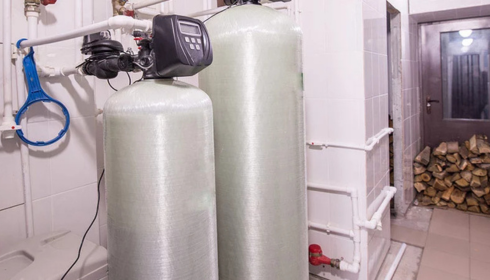
You can have the best system on the market, but if it’s not set up correctly, it won’t perform the way it should. That’s why water softener installation isn’t just a technical step—it’s the foundation of everything that follows.
Placement matters. Plumbing connections matter. Even small details can affect how efficiently the system runs day to day.
And once it’s done right, you don’t really think about it anymore. It just becomes part of your home.
Not All Systems Work the Same Way
One of the more confusing parts of this process is realizing that not all softeners are created equal.
Some are designed for smaller households, others for larger families with higher water usage. Some focus on efficiency, reducing water and salt consumption, while others prioritize capacity.
This is where choosing efficient softening systems makes a noticeable difference over time. It’s not just about solving the problem—it’s about doing it in a way that doesn’t add unnecessary cost or complexity.
Because the last thing you want is a solution that feels like another problem.
The Role of Experience (And Why It Matters More Than You Think)
Let’s be honest—most people don’t install water systems themselves. And even if they try, it often turns into a frustrating weekend project that takes longer than expected.
That’s where professional plumbers come into the picture. Not just for the installation, but for the insight they bring.
They’ve seen different setups, different water conditions, different challenges. They know what works and what doesn’t. And sometimes, that experience saves you from making costly mistakes.
It’s not about outsourcing the work—it’s about making sure it’s done right the first time.
What Changes Once the System Is in Place
This is the part people don’t always talk about—the after.
Because once a softener is installed and running properly, the changes aren’t dramatic. They’re subtle, almost easy to miss at first.
Your soap starts to lather more easily. Your dishes come out cleaner. Your skin feels less dry after a shower. You stop noticing that chalky buildup on your fixtures.
It’s not one big “wow” moment. It’s a series of small improvements that, together, make your home feel more comfortable.
Maintenance Isn’t the Burden People Expect
There’s a common assumption that water systems require constant attention. That you’ll be stuck dealing with complicated settings and frequent repairs.
But in reality, most modern systems are designed to be low-maintenance.
You check the salt levels occasionally. You keep an eye on performance. Maybe schedule a service check once in a while.
That’s about it.
It becomes part of your routine, like changing filters or servicing your appliances. Manageable. Predictable.
A Different Perspective on Everyday Living
At some point, you stop thinking about hard water altogether. Not because it’s gone, but because it’s no longer affecting your daily life.
And that’s really the goal.
It’s not about having the most advanced system or the latest technology. It’s about removing a layer of inconvenience you didn’t even realize was there.
Better water doesn’t demand attention. It doesn’t need to.
It just quietly improves everything around it—from the way your home looks to the way it feels.
And sometimes, that’s exactly the kind of upgrade that matters most.