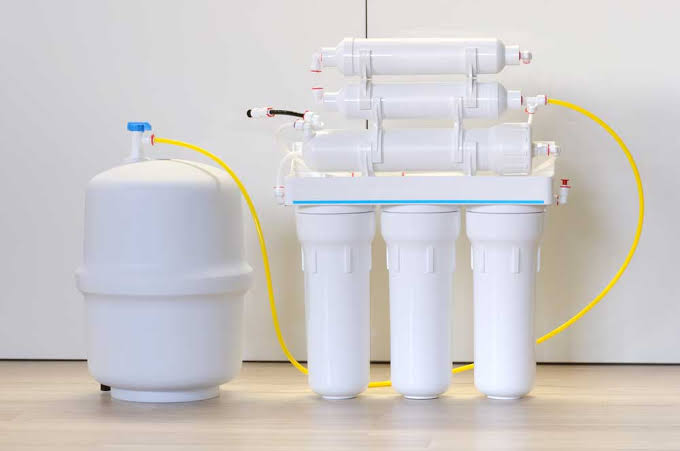
Keeping Your Water Treatment System in Good Shape All Year Long
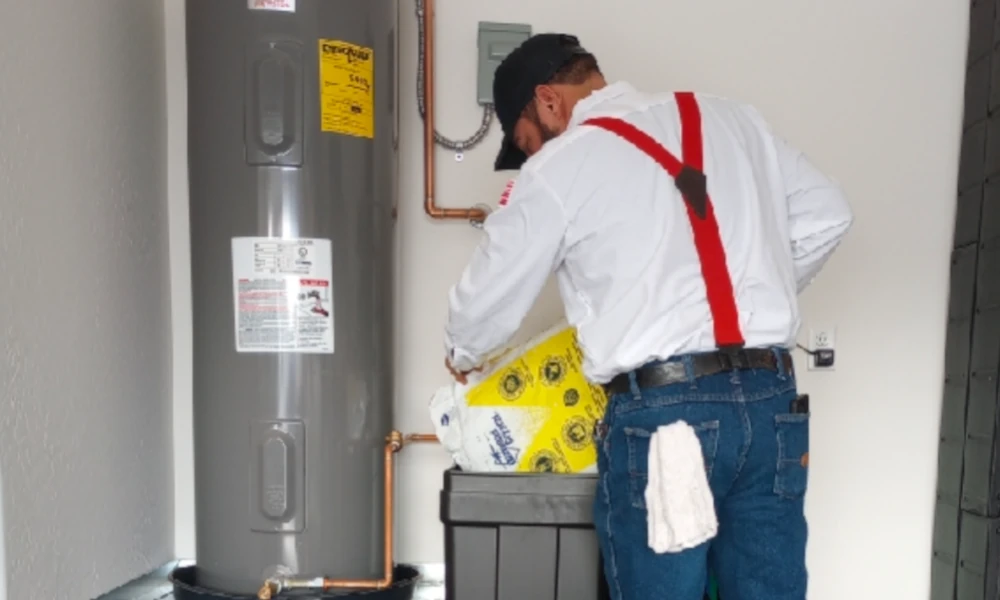
A water treatment system is easy to take for granted when everything works as it should. The water tastes fine, the shower feels comfortable, and there are no stubborn mineral deposits around the kitchen sink. Then, one morning, the water pressure drops, the softener stops doing its job, or an unfamiliar noise comes from the utility room. Suddenly, something that usually goes unnoticed becomes a household concern.
The truth is that even well-designed equipment needs attention. Filters collect particles, components wear down, and settings sometimes need adjustment. A little planning can help prevent avoidable problems and make water treatment equipment more dependable over the long term. It doesn’t have to be complicated, either. Understanding what your system needs and knowing when to call for professional help can make a real difference.
Why Regular Care Is Worth the Effort
Water treatment equipment works with the water entering your property, so its condition directly affects how well it performs. A clogged filter may restrict flow, a worn valve may interrupt normal operation, and a neglected water softener may struggle to reduce hardness effectively.
Routine system maintenance helps catch these issues before they become expensive surprises. Depending on the equipment, maintenance may include checking connections, inspecting valves, cleaning accessible components, replacing filters, and confirming that controls are working correctly.
The schedule varies from one system to another. A household with heavy water use may need more frequent filter changes than a smaller household, while water containing substantial sediment can place additional demands on filtration equipment. Following the manufacturer’s recommendations is a sensible starting point.
It’s also worth keeping an eye on everyday clues. If water starts tasting different, the flow becomes noticeably slower, or mineral deposits return after treatment, something may need attention. These signs don’t automatically mean the equipment has failed, but they shouldn’t be ignored.
A simple maintenance record can help. Write down filter replacement dates, service visits, and any unusual changes in performance. When a technician visits, that history can make troubleshooting easier and help identify recurring problems.
Recognizing Problems Before They Get Worse
Not every plumbing or treatment issue announces itself with a dramatic leak. Some develop gradually, which makes them easy to overlook during a busy week.
For example, a drinking water filter may begin producing water more slowly as the cartridge collects particles. A softener may stop delivering the expected results because of a low salt supply, a control issue, or another component problem. In a whole-house filtration system, an overdue filter may affect flow or allow the original water quality concern to return.
Start with basic checks that are safe and appropriate for your equipment. Look for visible leaks, confirm that the unit has power if required, and check whether consumable supplies need replenishing. If an error code appears, consult the manufacturer’s manual rather than repeatedly resetting the system without understanding the cause.
Avoid dismantling pressurized equipment or attempting electrical repairs unless you’re qualified to do so. What looks like a minor fault can become more complicated when the wrong component is adjusted or removed.
When a problem keeps returning, professional diagnosis is usually more useful than repeatedly treating the symptom. Finding the cause early may prevent unnecessary replacement costs and help restore reliable performance.
Getting the Right Help When Repairs Are Needed
Even a properly maintained system can develop faults. Seals deteriorate, pumps wear out, valves become stuck, and electronic controls can stop responding. Age, water conditions, installation quality, and daily usage all influence how equipment performs over time.
Reliable repairs & service can help restore normal operation while identifying what caused the problem in the first place. A qualified technician can inspect the system, explain the likely cause, and recommend whether a repair or replacement makes more sense.
Before approving major work, ask for a clear explanation of the problem and an estimate covering labor and parts. It’s reasonable to ask whether a component can be repaired, how long the repair is expected to last, and whether the replacement part comes with a warranty.
The cheapest repair isn’t always the best long-term choice, but an expensive replacement isn’t automatically necessary, either. A good service provider should explain the available options without making the decision feel rushed.
Keep the paperwork from significant repairs and note which parts have been replaced. If the same fault appears again, those records may help the technician identify a pattern. They can also be useful when checking warranty coverage or planning future maintenance.
Keeping Water Softeners Supplied and Ready
Salt-based water softeners need a consistent supply of suitable salt to regenerate their resin and continue reducing hardness minerals. If the tank runs low, the softener may no longer provide the expected results. That can mean mineral spots on glassware, deposits around faucets, and other familiar signs of hard water.
For households that use a softener regularly, arranging dependable salt delivery can make ongoing care easier. It saves the effort of transporting heavy bags and helps reduce the chance of discovering an empty tank at an inconvenient time.
Before ordering, check the equipment manufacturer’s instructions to confirm which type of salt is appropriate. Products aren’t necessarily interchangeable for every system, and using the recommended material helps avoid unnecessary complications.
It’s useful to inspect the brine tank occasionally, too. In some circumstances, salt can form a hardened mass or bridge above the water, preventing the system from drawing brine as intended. If you notice unusual buildup or repeated regeneration problems, follow the manufacturer’s guidance or ask a technician for assistance.
Salt use can also provide clues about system performance. A sudden increase in consumption may reflect a change in water use or settings, but it could also indicate a problem. Adding more salt without investigating won’t necessarily solve the underlying issue.
Small Habits That Make a Difference
You don’t need to spend every weekend checking water treatment equipment. A few simple habits can keep the system easier to manage.
Keep the area around the unit clean and accessible so leaks or unusual noises are easier to notice. Avoid stacking boxes against the equipment, and make sure any required ventilation or drainage areas remain unobstructed. If the system has a display or monitoring feature, learn what its normal readings and alerts mean.
Follow the recommended schedule for changing filters and other consumable parts. Waiting until water flow becomes extremely slow isn’t always wise, since replacement intervals depend on both time and the amount of water treated.
If you use a private well, remember that maintaining the treatment equipment doesn’t replace periodic water testing. The system may need to address changing conditions in the source water, and testing can help confirm whether the treatment approach remains suitable.
Likewise, if your household’s water quality changes suddenly, don’t assume a new filter will fix everything. The cause could be related to the supply, plumbing, or treatment equipment itself. Testing and professional assessment can help narrow it down.
Choosing a Long-Term Approach to Water Care
When comparing maintenance providers, look beyond the advertised price. Consider their experience with your type of equipment, the clarity of their estimates, their availability when problems arise, and whether they explain preventive care as well as emergency repairs.
It also helps to understand the expected operating costs of your system. Replacement filters, salt, electricity, and periodic professional visits can all contribute to the total cost of ownership. Knowing these expenses in advance makes it easier to budget and avoid surprises.
Ultimately, water treatment equipment should make everyday life more comfortable, not become a constant source of worry. Regular inspections, appropriate supplies, and timely professional attention help protect that investment and keep the system working as intended.
You may not notice every maintenance task when it’s done well, and that’s part of the point. The best results often come from small, consistent efforts that prevent bigger disruptions later. With a practical care routine and reliable support when needed, you can enjoy greater confidence in your water throughout the year.