
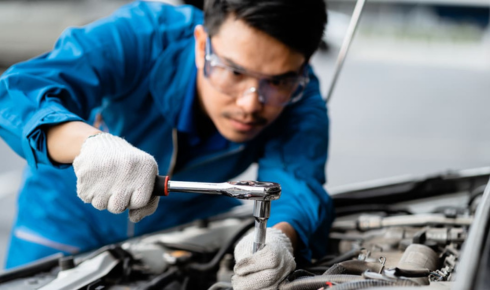
Starting your own auto repair shop is exciting. You get to be your own boss, set your hours, and build a reputation doing work you love. But launching a successful shop also comes with real challenges. Here are five things car mechanics must overcome when starting their business — and practical tips to handle each one.
1. Finding steady customers
When you work for someone else, customers come through the door because the shop already has a name. As a new owner, you must earn those customers from scratch.
Why it’s hard:
- People trust shops they’ve used before.
- Competing shops may have long histories and steady client lists.
- Word-of-mouth takes time to grow.
How to overcome it:
- Ask friends, family, and former customers to spread the word. Offer a small discount for referrals.
- Make it easy to find you online. A clear, professional website shows your services, prices, and hours. If you don’t have a big budget, look into affordable small business websites that make you look professional without breaking the bank.
- Be active in your community. Sponsor a local sports team or join a business group. People like to support neighbors.
- Offer a first-time customer special. A one-time oil change or inspection deal can get people through the door and show them the quality of your work.
Tip: Track where new customers hear about you. If social media or flyers bring more people, focus more resources there.
2. Managing money and cash flow
Running a shop means dealing with parts, tools, rent, and paychecks. Lots of new mechanics underestimate how much money is needed at first.
Why it’s hard:
- Upfront costs for equipment and parts can be large.
- Slow months can eat into savings.
- Unexpected repairs or emergencies come up.
How to overcome it:
- Create a simple budget. List your monthly costs and expected income. Be realistic.
- Start with the essentials. Buy tools you use every day first; add specialty tools later.
- Keep a cushion of savings to cover at least two to three months of expenses.
- Consider small business loans or equipment leasing if you need cash right away.
- Price your services so you make a fair profit. Many shops undercharge to attract customers and then struggle to cover costs.
Tip: Use a basic bookkeeping tool or app to track income and expenses. Knowing your numbers helps you make smart choices.
3. Learning marketing and online visibility
Great mechanics can still fail if no one knows where to find them. Today, most customers search online first.
Why it’s hard:
- Marketing is a different skill than fixing cars.
- Search engines, social media, and review sites can be confusing.
- Consistent online presence takes time and effort.
How to overcome it:
- Claim your business on review sites and local listings. Keep your contact details, hours, and address up to date.
- Ask satisfied customers to leave reviews. Positive reviews build trust and bring in more customers.
- Use simple, clear photos of your shop and team on your website and profiles.
- Learn the basics of local online marketing. Search engines look for specific words related to your business. Focusing on SEO for mechanics helps your shop show up when nearby customers search for repairs.
- Consider a monthly plan with a local marketing company if you don’t have time to learn marketing yourself. Even a small, steady effort pays off.
Tip: Pick one or two marketing activities (like Google Business Profile and Facebook posts) and do them well rather than spreading yourself too thin.
4. Building trust and reputation
People trust mechanics with something important: their cars. New businesses must show they are honest, skilled, and reliable.
Why it’s hard:
- Customers are nervous about repair costs and being sold services they don’t need.
- Bad reviews spread quickly online.
- One mistake can hurt your reputation for a long time.
How to overcome it:
- Be transparent. Explain repairs in plain language and show the part that was replaced when possible.
- Offer written estimates and get customer approval before starting work.
- Stand by your work. Offer a clear warranty for parts and labor to give people confidence.
- Train your team on great customer service. Friendly staff who listen and explain things clearly earn repeat customers.
- Respond to online reviews — both good and bad. Say thank you, and politely address concerns. Publicly showing you care builds trust.
Tip: A simple “how it works” sheet for customers can calm nerves and make your processes clear.
5. Hiring and keeping good staff
As your shop grows, you’ll need help. Hiring the right people and keeping them is one of the biggest challenges.
Why it’s hard:
- Skilled mechanics are in demand.
- New shops may struggle to offer high wages or benefits.
- Bad hires cost time and money.
How to overcome it:
- Offer a fair wage and a good work environment. Mechanics stay where they feel respected and supported.
- Provide training and career growth. Technicians want to learn and improve their skills.
- Build a positive culture. Teamwork, clear communication, and recognition go a long way.
- Hire for attitude as much as skill. A person who is eager to learn and friendly with customers can become a great team member.
- Use apprenticeships and local trade schools to find new talent. Partnering with schools can create a steady pipeline of workers.
Tip: Keep a short list of local mechanics and techs who might be available for part-time or temporary help during busy seasons.
Final checklist for new shop owners
Before you open the doors, run through this checklist:
- Do you have a simple, easy-to-find website? If not, look for affordable small business websites to get started.
- Is your pricing clear and profitable?
- Have you claimed your local online listings and set up a way to collect reviews?
- Do you have basic bookkeeping set up to track money?
- Have you planned how to handle urgent repairs or busy seasons?
Starting a shop is hard, but many mechanics succeed because they love cars and are willing to learn the business side. Use each challenge as a chance to improve. Be honest with customers, keep your shop clean and organized, and treat your team well. Over time, those small choices build a solid reputation.
If you need help with marketing or a professional online presence, small business owners often turn to local agencies. Companies like Honest Oak specialize in helping service businesses get found online and grow. A good partner can take the marketing load off your plate so you can focus on what you do best: fixing cars.
Starting a mechanic business is a big step. But with the right plan — a steady focus on customers, clear money management, strong marketing, and a trustworthy team — you can build a shop that lasts. Keep learning, stay patient, and celebrate the wins along the way.