Why Reverse Osmosis Is Becoming the Go-To Choice for Cleaner Drinking Water at Home
There’s something reassuring about filling a glass of water straight from the tap and not thinking twice about it. But for many homeowners, that simple moment comes with questions. Why does the water taste slightly metallic? Why does it smell like chlorine after heavy rain? And why does bottled water somehow seem more refreshing, even when the tap water is technically safe to drink?
These are common concerns, and they’ve led more families to take a closer look at how their drinking water is treated. Instead of relying solely on municipal treatment or bottled water, many homeowners are choosing filtration systems that improve water right at the point of use. Among the available options, reverse osmosis continues to stand out for one simple reason—it delivers consistent, high-quality drinking water without adding unnecessary complexity to daily life.
The appeal goes beyond convenience. It’s about confidence in every sip.
Why Tap Water Can Taste Different from One Home to Another
Even if two homes are connected to the same municipal water system, the water arriving at each faucet may not taste exactly the same. Aging pipes, mineral content, local plumbing materials, seasonal treatment adjustments, and even household plumbing fixtures can influence the final taste and quality.
Well water introduces another layer of variation. Natural minerals, sediment, sulfur compounds, and other groundwater characteristics can all affect flavor and clarity.
Most of these differences aren’t necessarily dangerous, but they can certainly change how enjoyable drinking water feels.
That’s why improving water quality often starts with understanding what’s already present.
What Makes reverse osmosis drinking water systems So Effective?
Among modern filtration technologies, reverse osmosis drinking water systems have earned a strong reputation because they remove an exceptionally wide range of dissolved contaminants.
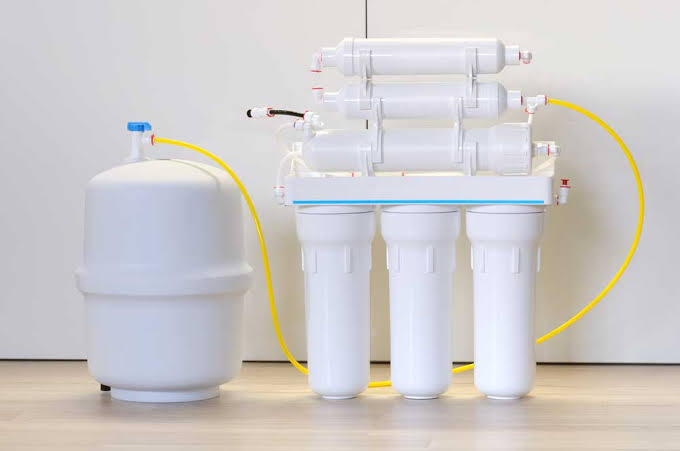
Using a semi-permeable membrane, reverse osmosis systems reduce impurities such as dissolved minerals, salts, lead, nitrates, chlorine byproducts, and many other unwanted substances. Most systems also include multiple stages of pre-filtration and post-filtration, creating a comprehensive treatment process before the water reaches your glass.
The result isn’t simply cleaner water—it’s water that many homeowners immediately notice feels lighter, fresher, and more enjoyable to drink.
Because these systems focus specifically on drinking and cooking water, they provide targeted treatment exactly where families need it most.
The Everyday Benefits Go Beyond Drinking
People often install a reverse osmosis system because they’re unhappy with tap water, but many discover additional advantages they hadn’t expected.
Coffee develops a cleaner flavor.
Tea tastes brighter.
Ice cubes become clearer.
Homemade soups and pasta absorb fewer unwanted minerals.
Even baby formula and pet water bowls benefit from cleaner water.
Cooking ingredients are often only as good as the water they’re prepared with. Once water quality improves, many meals simply taste more natural without changing the recipe itself.
It’s one of those subtle upgrades that quietly improves everyday routines.
Why Families Appreciate purified drinking water
Access to purified drinking water offers something that’s difficult to measure but easy to appreciate: peace of mind.
Whether preparing meals, filling reusable bottles before work, or making a quick cup of tea in the evening, homeowners know the water has gone through an additional layer of filtration before reaching the faucet.
For households with young children, older family members, or anyone who simply values cleaner water, that added confidence becomes part of everyday life.
Instead of constantly purchasing bottled water or questioning tap water quality after local maintenance work, families have a reliable source of filtered water available whenever they need it.
That convenience alone often makes the investment worthwhile.
Reverse Osmosis Can Reduce Bottled Water Dependence
One overlooked advantage of home filtration is the reduction in plastic waste.
Many households buy bottled water because they dislike the taste of tap water rather than because it’s unsafe. Over time, that habit becomes surprisingly expensive while generating significant plastic waste.
Installing a reverse osmosis system gives families a dependable alternative.
Reusable bottles can be filled directly from the kitchen sink, eliminating frequent trips to the store and reducing the number of disposable plastic bottles entering landfills.
It’s a practical change that’s both economical and environmentally responsible.
Taste Really Does Matter
People sometimes feel guilty admitting they simply want water that tastes better.
But enjoying water isn’t a luxury—it’s one reason people stay properly hydrated.
If water has an unpleasant taste or lingering odor, many people unconsciously drink less throughout the day.
Removing chlorine, excess minerals, and certain dissolved compounds often produces better tasting water, making it easier and more enjoyable to stay hydrated.
Many homeowners notice the difference immediately. Others describe it more subtly, saying the water simply feels “cleaner” or “crisper.”
Whatever words people choose, improved taste remains one of the most frequently appreciated benefits after installation.
Choosing the Right System Matters
Not every reverse osmosis system is identical.
Different households have different water conditions, water usage patterns, and filtration needs. Some systems include remineralization stages, while others focus on maximizing contaminant reduction. Storage tank size, filter lifespan, water pressure, and maintenance requirements can also vary considerably.
That’s why professional water testing is often recommended before selecting equipment.
Understanding your home’s water quality helps ensure the chosen system addresses actual conditions rather than relying on assumptions or generic recommendations.
A properly matched system typically performs better, requires less maintenance, and delivers more satisfying long-term results.
Maintenance Is Simpler Than Many People Expect
One common misconception is that reverse osmosis systems require constant attention.
In reality, routine maintenance is generally straightforward.
Pre-filters and post-filters are replaced at scheduled intervals, while the reverse osmosis membrane typically lasts several years depending on water quality and household usage.
Following the manufacturer’s maintenance schedule keeps the system operating efficiently while preserving water quality over the long term.
For most homeowners, maintaining the system becomes just another occasional household task—similar to replacing an HVAC filter or changing a refrigerator water filter.
Cleaner Water Starts with Smart Choices
There’s no perfect solution for every home, but reverse osmosis has earned its popularity by consistently delivering cleaner, fresher drinking water for millions of households.
Instead of masking unpleasant tastes or relying on bottled water, homeowners gain a dependable source of high-quality water directly from their own kitchen.
When paired with proper water testing and professional guidance, a reverse osmosis system becomes more than just another appliance. It becomes part of a healthier, more convenient lifestyle.
After all, water is something we use every single day. Investing in its quality isn’t simply about filtration—it’s about improving countless everyday moments, one glass at a time.