Why Better Water Quality Makes a Real Difference in Everyday Life
Water is one of those things we rarely think about until something seems wrong. Maybe the drinking water has an unusual taste, white marks keep appearing on kitchen taps, or the bathroom fixtures seem to collect stains no matter how often they’re cleaned. These little annoyances can point to a bigger question: is the water flowing through our homes really suitable for everyday use?
Good water matters for more than convenience. It affects drinking habits, cooking, bathing, household appliances, and even how comfortable a home feels. Understanding water quality and choosing the right treatment solutions can make daily life easier, often in ways homeowners don’t immediately expect.
Understanding What Comes Out of Your Tap
Water travels a long way before reaching a kitchen faucet. Depending on its source, it may contain naturally occurring minerals, dissolved salts, sediment, chlorine, or other substances picked up during treatment and distribution. Private wells can have different challenges from municipal supplies, and even homes in the same neighborhood may experience different plumbing issues.
The important thing is not to assume that water is unsafe simply because it looks cloudy or tastes different. Likewise, clear water isn’t necessarily free from contaminants. Some substances that affect health cannot be detected by sight, smell, or taste alone.
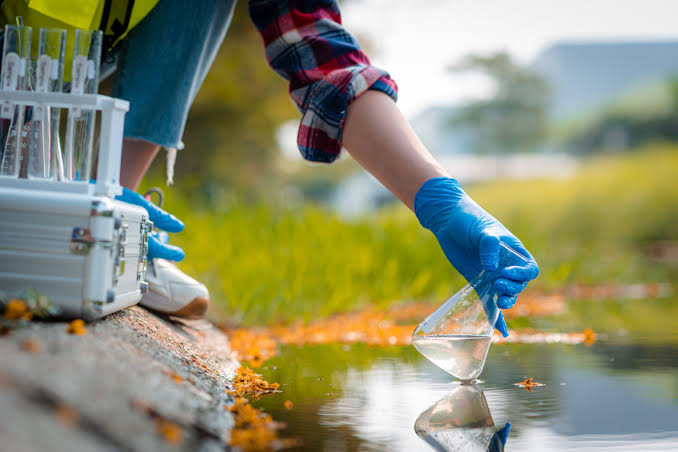
Testing provides a much clearer picture. A basic water analysis can identify concerns such as hardness, pH, and certain dissolved substances, while more comprehensive laboratory testing may be appropriate when contamination is suspected. The right test depends on the water source and the problem you’re trying to solve.
For homeowners, this is a sensible starting point. Rather than buying equipment based on advertising or a neighbor’s recommendation, find out what’s actually present in your water first.
Why Clean Water Deserves More Attention
Most families want clean drinking water without having to worry about every glass they fill. That’s a reasonable expectation, but achieving it sometimes requires more than relying on the water’s appearance.
Municipal treatment systems are designed to address many common contaminants, although water quality can change as water travels through distribution pipes and household plumbing. Older plumbing materials, damaged pipes, and poorly maintained storage tanks may introduce additional concerns. Homes using private wells face their own responsibilities because the water supply generally needs regular monitoring.
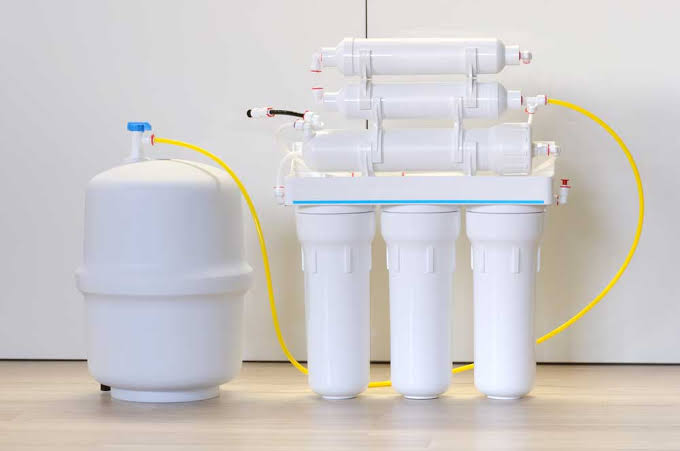
A suitable filtration system can help reduce specific impurities, provided it’s designed and certified for those contaminants. Activated carbon filters, for example, can improve taste and reduce chlorine, while other technologies address different problems. Reverse osmosis systems can reduce various dissolved substances, although their effectiveness depends on the equipment and its maintenance.
There’s no single filter that removes everything. That’s worth remembering when comparing products, because broad promises don’t always explain what a device can actually do.
If a test identifies bacteria or another serious contaminant, the response should match that finding. Disinfection, specialized treatment, or professional plumbing repairs may be necessary. Drinking-water safety isn’t an area where guesswork is particularly helpful.
The Connection Between Water Hardness and Household Comfort
Have you ever noticed that soap doesn’t lather properly, towels feel rough after washing, or a shower screen develops stubborn white deposits? Hard water could be responsible.
Hard water contains elevated levels of calcium and magnesium. These minerals aren’t generally considered a health concern at ordinary drinking-water concentrations, but they can create practical problems around the house. Mineral deposits may accumulate inside pipes, water heaters, showerheads, and appliances, gradually affecting efficiency and increasing cleaning requirements.
A water softener can help when hardness is the main issue. Most conventional softeners use ion exchange to replace calcium and magnesium ions with sodium or potassium ions. The result is water that behaves differently during washing and is less likely to leave scale deposits.
However, softening isn’t necessary in every home. Some people prefer the taste of untreated hard water, and a softener won’t automatically address bacteria, pesticides, or other unrelated contaminants. Testing first helps determine whether the investment makes sense.
It’s also worth considering the household’s water use, available installation space, drainage arrangements, and ongoing maintenance costs. The cheapest unit isn’t necessarily the least expensive option over several years.
Enjoying Soft, Great-Tasting Water Every Day
Water treatment can also change how enjoyable everyday routines become. When unpleasant chlorine notes or certain unwanted tastes are reduced, people may find drinking water more appealing. That can make filling a reusable bottle, preparing tea, or serving water at dinner feel a little more satisfying.
For many households, the goal is simple: soft, great-tasting water that suits their preferences without unnecessary complexity. Yet it’s important to distinguish between taste improvement and safety. A filter that makes water taste better doesn’t necessarily remove harmful microorganisms or every chemical contaminant.
The best solution depends on how the water will be used. A countertop or under-sink filter may be sufficient for drinking and cooking, while a whole-house system may be more appropriate for certain problems affecting multiple fixtures. Whole-house filtration can be useful for treating water as it enters the property, but it isn’t automatically the best choice for every concern.
Look for clear information about contaminant reduction, replacement-filter availability, flow rate, and maintenance requirements. Independent certification, where applicable, can provide additional confidence that a product has been evaluated for specific performance claims.
And don’t overlook the basics. Filters need timely replacement, housings require appropriate cleaning, and some systems need periodic professional servicing. Neglecting maintenance can undermine the very benefits a treatment system is meant to provide.
Why Professional Installation Matters
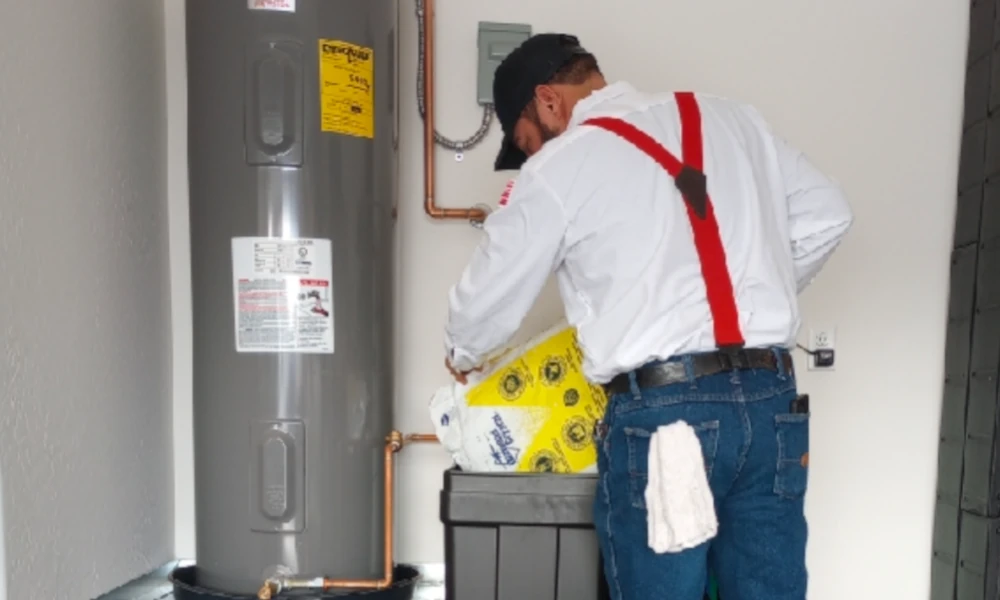
Choosing the right equipment is only part of the process. It also needs to be installed correctly, with attention to pipe materials, pressure, drainage, electrical requirements where applicable, and the manufacturer’s instructions.
Poorly fitted equipment can leak, restrict water flow, or create maintenance headaches. In some cases, incorrect plumbing connections may even compromise the safety of the household water supply. These are avoidable problems when the work is planned carefully.
Professional plumbers can assess existing pipes, identify practical installation locations, and help determine whether additional valves or connections are needed. For larger systems, their experience can be particularly valuable because the work may affect several fixtures or the home’s main water line.
Qualified professionals also understand the importance of code-compliant installations. Following applicable plumbing requirements helps protect the property, supports reliable operation, and makes future servicing easier. Homeowners should ask about relevant certifications, warranties, and any local permits required before installation begins.
A good installer won’t simply recommend the biggest system available. They’ll explain why a particular solution suits the water test results, household demand, and available budget.
Keeping Your Water Treatment System Working Properly
Once a treatment system is installed, a little routine attention goes a long way. Keep a record of filter replacement dates, follow the manufacturer’s service schedule, and check visible connections occasionally for leaks. If water pressure changes unexpectedly or the taste begins to deteriorate, investigate rather than assuming the equipment will correct itself.
Retesting can also be worthwhile, especially for private wells or properties where water conditions may change. Heavy rainfall, nearby construction, agricultural activity, or changes in the local supply can sometimes introduce new concerns. The appropriate testing frequency depends on the water source and potential risks.
It’s equally important to avoid treating every water problem as a filtration problem. Persistent low pressure may indicate a plumbing issue, while recurring discoloration could require investigation of pipes or storage tanks. A treatment system cannot compensate for every underlying fault.
Making a Smarter Choice for Your Home
Better water doesn’t always require an expensive installation or a complicated collection of devices. Sometimes a simple filter is enough. In other homes, testing reveals a need for softening, disinfection, or more specialized treatment.
Start by understanding your supply, identify the problems that genuinely matter, and compare solutions based on evidence rather than impressive marketing claims. Consider the purchase price alongside replacement cartridges, energy use, servicing, and expected lifespan.
Ultimately, reliable water quality is about more than the water itself. It’s about feeling confident when filling a glass, enjoying a shower without constant mineral buildup, and knowing that household equipment is being looked after properly.
Water is part of nearly every routine we follow, from the first cup of tea in the morning to washing dishes after dinner. Paying attention to it is a practical investment in everyday comfort. With sensible testing, appropriate treatment, and regular maintenance, homeowners can make informed choices that serve their households well for years to come.