Living With Hard Water in Ottawa: Finding the Right Water Softener for Your Home
There’s something frustrating about cleaning a bathroom sink on Saturday morning, only to discover those familiar white deposits returning a few days later. Perhaps your freshly washed towels feel unusually stiff, or your kettle needs descaling more often than you’d like. These everyday inconveniences may point toward a common household concern: hard water.
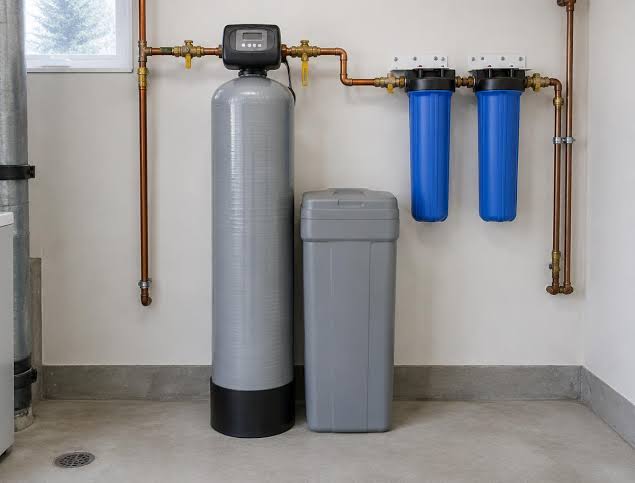
For homeowners exploring water softener systems for ottawa homes, understanding the characteristics of their incoming water supply is an important first step toward finding suitable treatment equipment.
Water hardness can vary depending on the source, particularly between municipal supplies and private wells. That’s why choosing a system based on your neighbor’s experience isn’t necessarily the best approach.
A little investigation can help you determine whether softening would genuinely benefit your household.
What Exactly Makes Water Hard?
Hard water contains dissolved minerals, primarily calcium and magnesium. These minerals occur naturally as water moves through soil and mineral-rich geological formations.
Although hardness doesn’t automatically make water unsafe to drink, it can create several practical inconveniences around the home.
When hard water is heated, mineral deposits may accumulate inside kettles, water heaters, and other appliances. Soap can also react with hardness minerals, leaving behind residue that’s particularly noticeable around sinks and showers.
Perhaps you’ve experienced that slightly rough feeling on glassware after washing it. Or noticed that bathroom fixtures never seem to stay clean for very long.
These experiences don’t necessarily indicate a serious plumbing problem, but they can make everyday maintenance more demanding.
Testing your water hardness helps determine whether treatment would be worthwhile.
Finding a Practical Way to Address Mineral Buildup
There are countless products marketed toward homeowners dealing with mineral deposits. Unfortunately, not all of them address hardness in the same way.
Effective hard water treatment solutions should be selected according to measured mineral concentrations, household consumption, and the particular concerns you want to resolve.
Conventional water softeners use ion exchange to reduce calcium and magnesium. As water passes through specialized resin, hardness ions are exchanged for sodium or, in some systems, potassium ions.
Other conditioning technologies may help manage scale formation without actually removing hardness minerals.
Understanding this distinction matters because the results can differ considerably.
If your primary concern is reducing soap residue and hardness-related deposits, conventional softening may be more appropriate than equipment designed exclusively for sediment filtration or scale management.
Choosing a Water Softener That Matches Your Household
A water softener should fit your home rather than forcing your household to adapt to the equipment.
When comparing home water softening systems, consider the number of people living in your property, measured water hardness, peak water demand, and available installation space.
A busy family with multiple bathrooms and frequent laundry loads will probably require different equipment from a couple living in a smaller property.
Undersized equipment may struggle to maintain consistent treatment performance, while unnecessarily large systems could increase installation expenses.
Demand-initiated regeneration systems can adjust regeneration according to water usage, potentially reducing unnecessary salt and water consumption compared with poorly matched timer-based arrangements.
Ask your installer to explain how the recommended equipment capacity relates to your household’s actual requirements. It’s a reasonable question that deserves a straightforward answer.
Municipal Water and Private Wells Require Different Considerations
Ottawa homeowners shouldn’t assume that every property receives water with identical characteristics.
The source matters considerably. Households connected to municipal supplies may experience different water conditions from properties relying on private wells.
Well water can contain additional substances, including iron, manganese, and sediment, which may require separate treatment.
Installing a softener without investigating these characteristics could result in disappointing performance or additional maintenance requirements.
Arrange appropriate water testing before selecting equipment. Private well owners should also consider testing for potentially harmful microorganisms and other relevant contaminants.
Remember that softening alone isn’t a substitute for suitable drinking water treatment or disinfection.
Can Softened Water Make Household Cleaning Easier?
One of the more noticeable benefits of appropriate softening is its potential influence on everyday cleaning.
Soap generally works more effectively in softened water because fewer hardness minerals are present to react with it. Homeowners may also notice reduced mineral residue around bathroom fixtures and shower screens.
Laundry can benefit, too, particularly when detergent quantities are adjusted appropriately.
However, expectations should remain realistic. Existing mineral deposits won’t necessarily disappear immediately after installing a softener, and older appliances may still require servicing.
What you’re primarily addressing is future hardness-related buildup.
Over time, that can make household maintenance feel considerably less demanding.
Understanding the Ongoing Costs of Water Softening
The initial purchase price is only part of owning a water softener.
Salt replenishment, regeneration water, periodic servicing, and eventual component replacement all deserve consideration.
Before purchasing equipment, ask about anticipated salt consumption, maintenance requirements, and drainage arrangements.
It’s also worth discussing whether certain fixtures, such as outdoor garden faucets, should bypass treatment to avoid unnecessary softening.
Follow manufacturer recommendations and investigate changes in water pressure or treatment performance promptly.
For individuals following medically prescribed sodium restrictions, discuss softened drinking water with an appropriate healthcare professional and consider suitable alternatives where necessary.
Making the Right Choice for Better Water at Home
Improving household water doesn’t need to involve expensive equipment with features you’ll never use.
Start by understanding your incoming water supply, measuring hardness, and identifying which problems genuinely affect your daily routine.
Choose equipment that addresses those concerns while remaining practical to operate and maintain.
For Ottawa homeowners, a properly selected softener can make ordinary household activities more convenient, from washing clothes to keeping bathroom fixtures presentable.
Better water is ultimately about making everyday life a little easier. And sometimes, something as simple as spending less time scrubbing mineral deposits from the kitchen sink makes the investment worthwhile.