
There’s something oddly disappointing about pouring a glass of water and hesitating before you take a sip. Maybe it smells faintly of chlorine. Maybe there’s a metallic edge you can’t quite describe. Or maybe you’ve just gotten used to reaching for bottled water because it feels safer.
Water should be simple. Clean. Refreshing. Invisible in the best way.
And yet, for many households, that simplicity gets complicated somewhere between the treatment plant and the kitchen faucet.
Why Tap Water Doesn’t Always Feel “Right”
In most cities, municipal water meets regulatory standards. That’s important—and worth appreciating. But “meets standards” doesn’t necessarily mean it tastes good or feels ideal for every home.
Chlorine is often added to keep water safe during distribution. Minerals can alter texture and flavor. Aging plumbing may introduce subtle metallic notes. Even harmless dissolved solids can shift how water feels on your tongue.
Over time, those small details chip away at confidence. You stop filling glasses straight from the tap. You boil water before cooking pasta. You keep cases of bottled water in the pantry “just in case.”
At that point, the issue isn’t panic—it’s comfort.
The Conversation About Water Quality
The phrase water quality gets thrown around a lot, but what does it actually mean?
It’s a combination of factors: taste, odor, clarity, mineral content, and potential contaminants. For some homes, hardness is the main issue. For others, chlorine levels dominate the experience. Well water can introduce an entirely different set of variables.
Testing is the first logical step. It removes guesswork. Hardness levels, total dissolved solids, pH balance—these numbers tell a story about what’s actually flowing through your pipes.
Once you know what you’re dealing with, decisions feel less emotional and more informed.
A Closer Look at Reverse Osmosis
For households focused specifically on drinking water, reverse osmosis often enters the discussion.
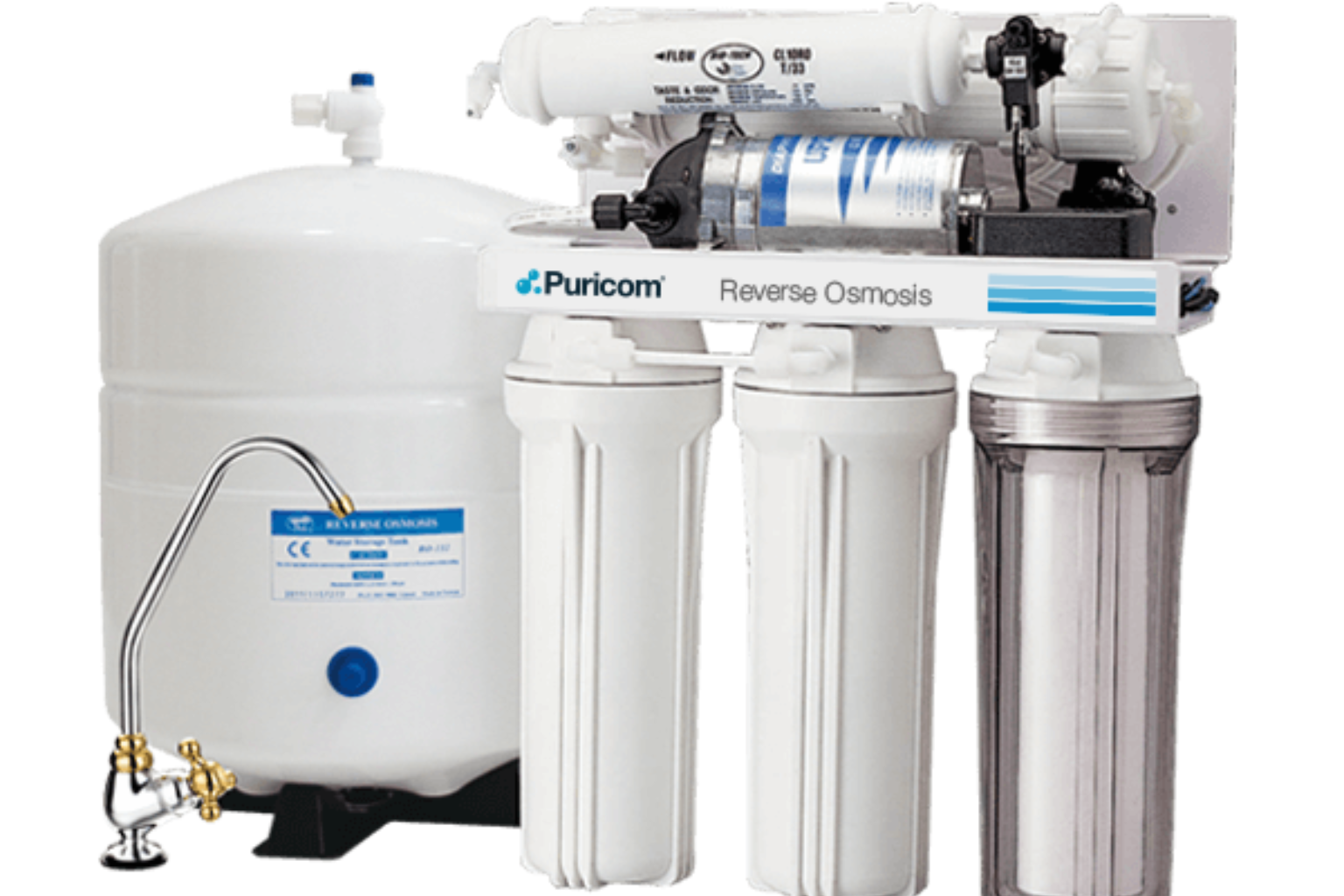
Unlike basic carbon filters, reverse osmosis systems use a semi-permeable membrane to remove a broad range of dissolved substances. It’s a more refined process, targeting particles that standard filtration may leave behind.
Many homeowners who install reverse osmosis drinking water systems describe the change as subtle but unmistakable. Water tastes cleaner. Crisper. Coffee brewed with it seems brighter. Ice cubes freeze clearer.
It’s not a dramatic transformation that shocks you. It’s more like realizing you’ve been listening to music with static in the background—and suddenly the static is gone.
Taste Isn’t Just Psychological
Some skeptics argue that taste differences are purely subjective. And yes, personal preference plays a role.
But chlorine residuals and dissolved minerals genuinely affect flavor. That’s why water from different regions tastes distinct, even when technically safe.
When filtration reduces those elements, the result is often an improved taste that feels smoother and more neutral. Water stops competing with whatever you’re eating or drinking alongside it.
You notice it most in simple things—tea without a chemical aftertaste, pasta that doesn’t carry a faint mineral edge, soups that feel cleaner.
Small details. Big difference.
Breaking the Bottled Water Habit
One of the unexpected side effects of better tap water is a reduced reliance on bottled alternatives.
Bottled water has its place—travel, emergencies, convenience. But relying on it daily can become expensive and environmentally taxing.
When your own faucet provides water you genuinely enjoy, those plastic cases become less necessary. Storage space frees up. Recycling bins shrink. You pour a glass without second-guessing.
Confidence replaces convenience.
Maintenance: The Unseen Key
Like any system, reverse osmosis requires upkeep. Filters need periodic replacement. Membranes eventually wear out. Ignoring maintenance reduces effectiveness and can even impact taste again.
The good news? Most systems are designed with straightforward service schedules. Indicator lights or reminders simplify the process.
Maintenance isn’t burdensome—it’s predictable.
And predictable care keeps performance consistent.
Not Every Home Needs Everything
It’s important to say this: reverse osmosis isn’t the solution for every water concern.
If hardness is your primary issue, a softener may be more relevant. If sediment is clogging fixtures, pre-filtration might solve the problem. Sometimes a simple carbon filter addresses chlorine taste effectively.
The key is alignment. Matching the solution to the actual issue.
That’s where testing, honest evaluation, and thoughtful consultation come in.
The Emotional Benefit
There’s a quiet reassurance that comes with trusting your tap.
You hand guests a glass without apology. You cook without hesitation. You hydrate without wondering if you should grab a bottle instead.
Water returns to being what it was always meant to be—simple.
And in a world filled with complexity, simplicity feels like a gift.
Final Thoughts
Water flows through nearly every moment of your day, yet it rarely demands attention—unless something feels off.
By understanding your water quality and exploring options like reverse osmosis drinking water systems, you can transform an everyday necessity into something consistently satisfying.
It’s not about perfection. It’s about comfort. About improved taste. About removing the small doubts that linger in the background.
Because when a glass of water finally tastes like water—clean, neutral, refreshing—you realize something small but powerful:
Sometimes the best upgrades are the ones you barely notice, except when they’re gone.