
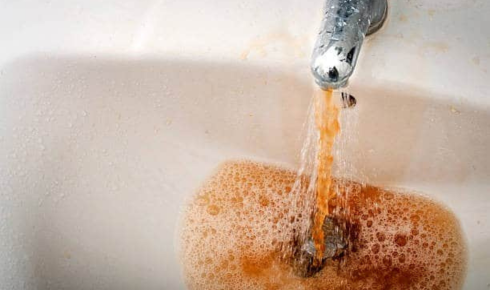
There’s a strange moment that happens in a lot of homes—you take a sip of water, pause, and think… “Wait, has it always tasted like this?” It’s not always obvious. Sometimes it’s subtle. A faint smell, a slightly metallic taste, or maybe just a feeling that something isn’t quite right.
And the funny thing is, most of us ignore it for a while. Life’s busy. Water is just… water, right?
But over time, those little signs start to add up.
The Small Clues That Point to Bigger Issues
Water rarely announces its problems loudly. Instead, it leaves hints. Maybe your sink develops reddish stains. Your shower has a faint smell you can’t quite place. Your clothes don’t feel as fresh as they should.
These are often part of what we casually call common water problems, and they’re more widespread than people think. Hardness, sediment, chlorine levels, or even naturally occurring minerals—all of these can influence how water behaves in your home.
The key thing to understand is that none of this is unusual. It’s just part of how water varies depending on location, source, and even plumbing.
When Water Smells… and You Can’t Ignore It
One of the most noticeable issues people face is smell. That “rotten egg” odor? It’s hard to miss. And once you notice it, it tends to linger in your mind.
This is often linked to sulfur in the water, sometimes combined with iron. It’s not always harmful, but it can be unpleasant enough to make everyday use frustrating.
That’s where iron and sulfur removal systems come into play. They’re designed to target these specific elements, improving both smell and appearance. And when they work well, the difference feels immediate—you don’t hesitate before turning on the tap.
It’s a small shift, but one that can make your home feel cleaner, more comfortable.
Taste: The Thing We Notice Most (Even If We Don’t Talk About It)
Let’s be honest—taste matters. You might not think about it much, but when water tastes good, you drink more of it. When it doesn’t, you start reaching for bottled alternatives without even realizing why.
Understanding bad taste causes can be surprisingly eye-opening. Chlorine is a big one, especially in municipal water. Minerals can also affect flavor, giving water a metallic or slightly bitter edge.
And sometimes, it’s not just one thing—it’s a combination of factors that creates that “off” taste you can’t quite describe.
Fixing it doesn’t always require a complex solution. Often, targeted filtration is enough to bring water back to a neutral, clean taste.
Why Your Neighbor’s Water Might Feel Different
Here’s something that catches people off guard—your neighbor’s water might not be exactly like yours, even if you live next door.
Different plumbing materials, usage patterns, or even slight variations in supply lines can create noticeable differences. It’s not drastic, but enough to explain why someone else might not notice the same issues you do.
That’s why it’s important to focus on your own experience rather than relying entirely on general advice.
The Balance Between Doing Nothing and Doing Too Much
When you first start looking into water issues, it’s easy to feel pulled in two directions. On one hand, you might think, “It’s probably fine, I’ll ignore it.” On the other, you might find yourself considering high-end systems with every feature imaginable.
The truth usually sits somewhere in the middle.
You don’t need to solve problems you don’t have. But you also don’t have to live with water that clearly isn’t working for you.
A simple approach—identify the issue, choose a targeted solution, and see how it feels—often works better than going all-in right away.
The Subtle Comfort of Better Water
What’s interesting about improving water quality is how quietly it changes things.
You don’t wake up one day thinking, “Wow, everything is different.” Instead, you notice small improvements. Your dishes look cleaner. Your skin feels a bit less dry. You stop thinking twice before drinking from the tap.
It’s not dramatic. It’s just… better.
And over time, that becomes your new normal.
Maintenance: The Part Nobody Gets Excited About
Of course, no system runs forever without a little care. Filters need replacing. Systems need occasional checks. It’s not complicated, but it does require a bit of attention.
The good news? Once you get into the habit, it’s easy to manage. A quick check here and there, and everything keeps running smoothly.
Listening to What Your Water Is Telling You
At the end of the day, your water is constantly giving you feedback. You just have to notice it.
The taste, the smell, the way it interacts with your home—these are all clues. You don’t need to overanalyze them, just pay attention.
Because once you understand what’s happening, finding the right solution becomes much simpler.
A Thought to Leave You With
Water doesn’t need to be perfect. It just needs to feel right.
Comfortable to use, pleasant to drink, and reliable in the background of your daily life. That’s really what most people are looking for—not perfection, just peace of mind.
And once you get there, you’ll probably stop thinking about your water altogether.
Which, in a way, is the best outcome you could ask for.